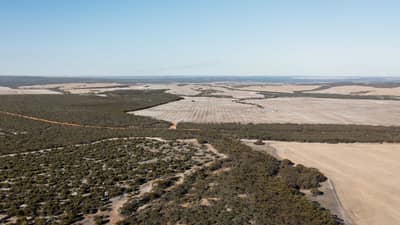
The acquisition reflects a growing shift towards landscape-scale conservation, where protecting and reconnecting large, intact ecosystems is increasingly recognised as critical to reversing biodiversity loss and building climate resilience.
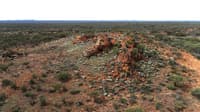
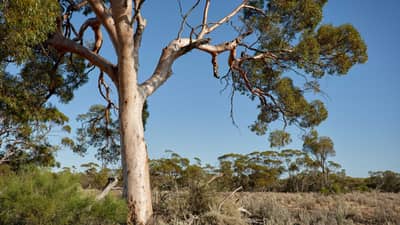
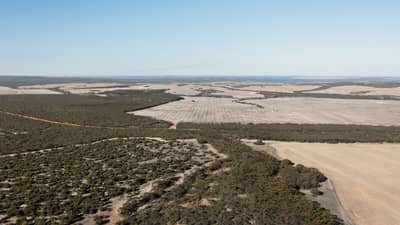
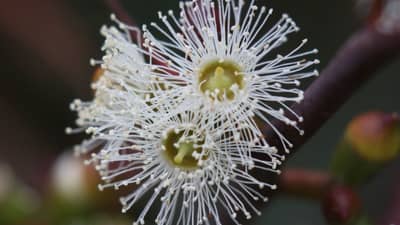
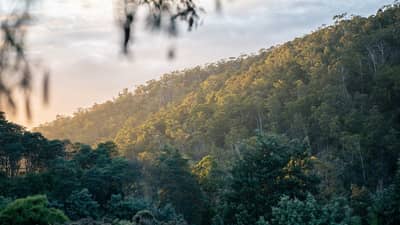
Wanarra’s southern half sits within the Southwest Australia Biodiversity Hotspot – one of the most biologically rich and threatened regions on Earth. Large areas of Critically Endangered Eucalyptus woodlands that have been extensively cleared elsewhere still remain on the property.
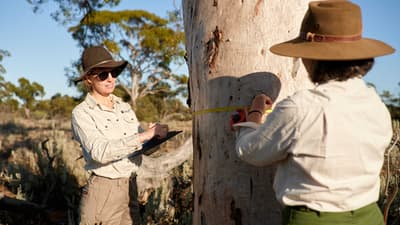
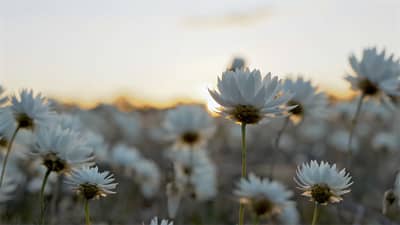
Many plant species in this region are found nowhere else in the world according to Bush Heritage’s ecologist Fiamma Riviera.
“This is one of the most floristically varied places on the planet – and there’s a real chance there are still more plant species to be discovered,” said Fiamma.
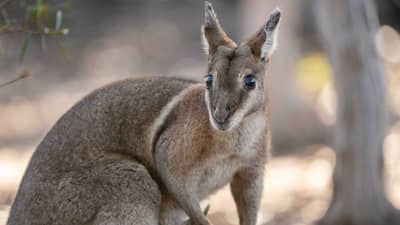
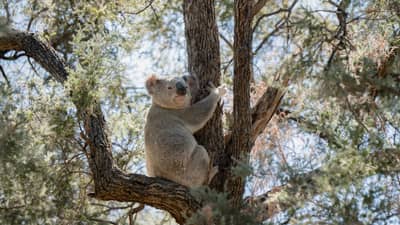
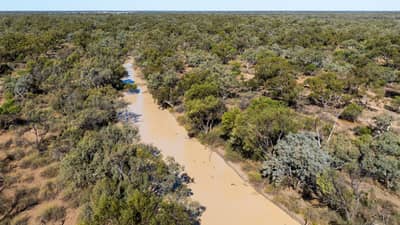
The property also provides critical habitat for Vulnerable Malleefowl and the Endangered Western Spiny‑tail Skink. During rare wet periods, the culturally significant Mongers Lake Complex, which spans over 100km, becomes a haven for thousands of migratory waterbirds.
Sheep and goats were removed from the former station more than a decade ago by its previous owner and the land already shows significant signs of natural regeneration.
“Wanarra is showing us what recovery can look like,” said Fiamma. “Now we have an opportunity to build on that to create a stronghold for biodiversity, which is more important than ever in a changing climate.”
Rachel Lowry said the acquisition reflects the kind of action needed if Australia is to meet international commitments to protect 30% of land and waters by 2030.